-
×
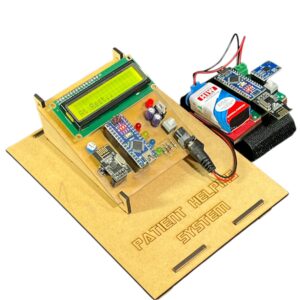 Hand Gesture-Controlled Smart Patient Assistance System for Patients to Request Food, Water, or Medicine | Robotics Science & Engineering Project
1 × ₹2,499.00
Hand Gesture-Controlled Smart Patient Assistance System for Patients to Request Food, Water, or Medicine | Robotics Science & Engineering Project
1 × ₹2,499.00
Subtotal: ₹2,499.00
₹1,150.00 ₹1,800.00
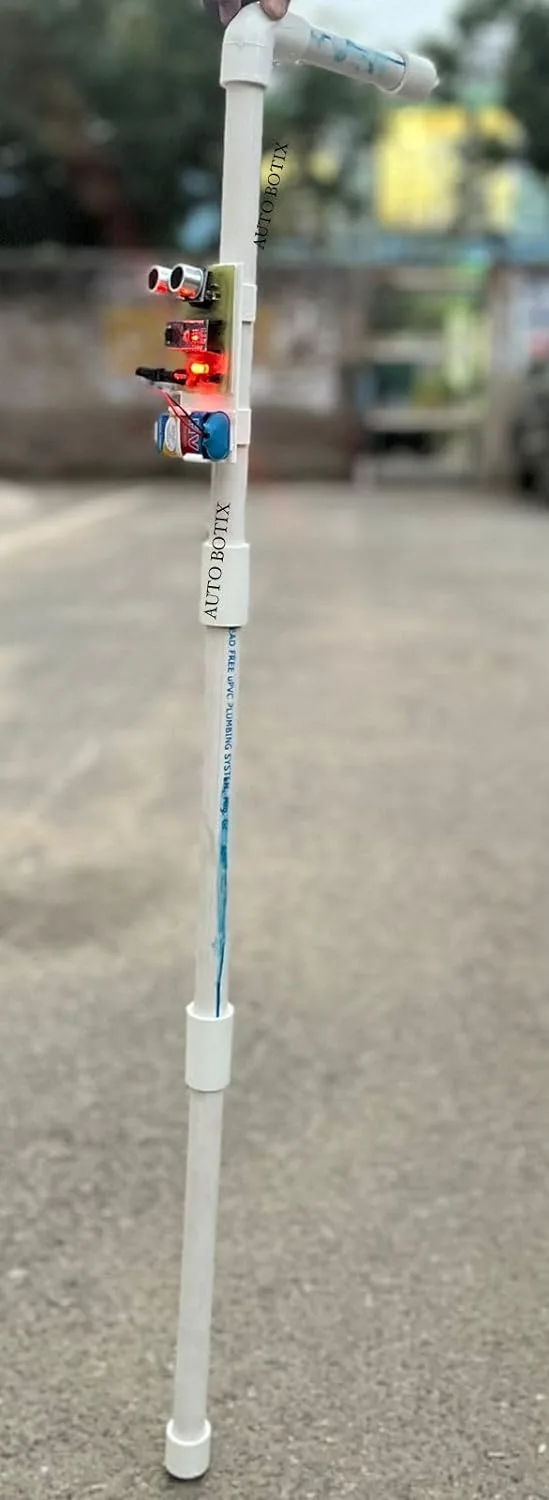
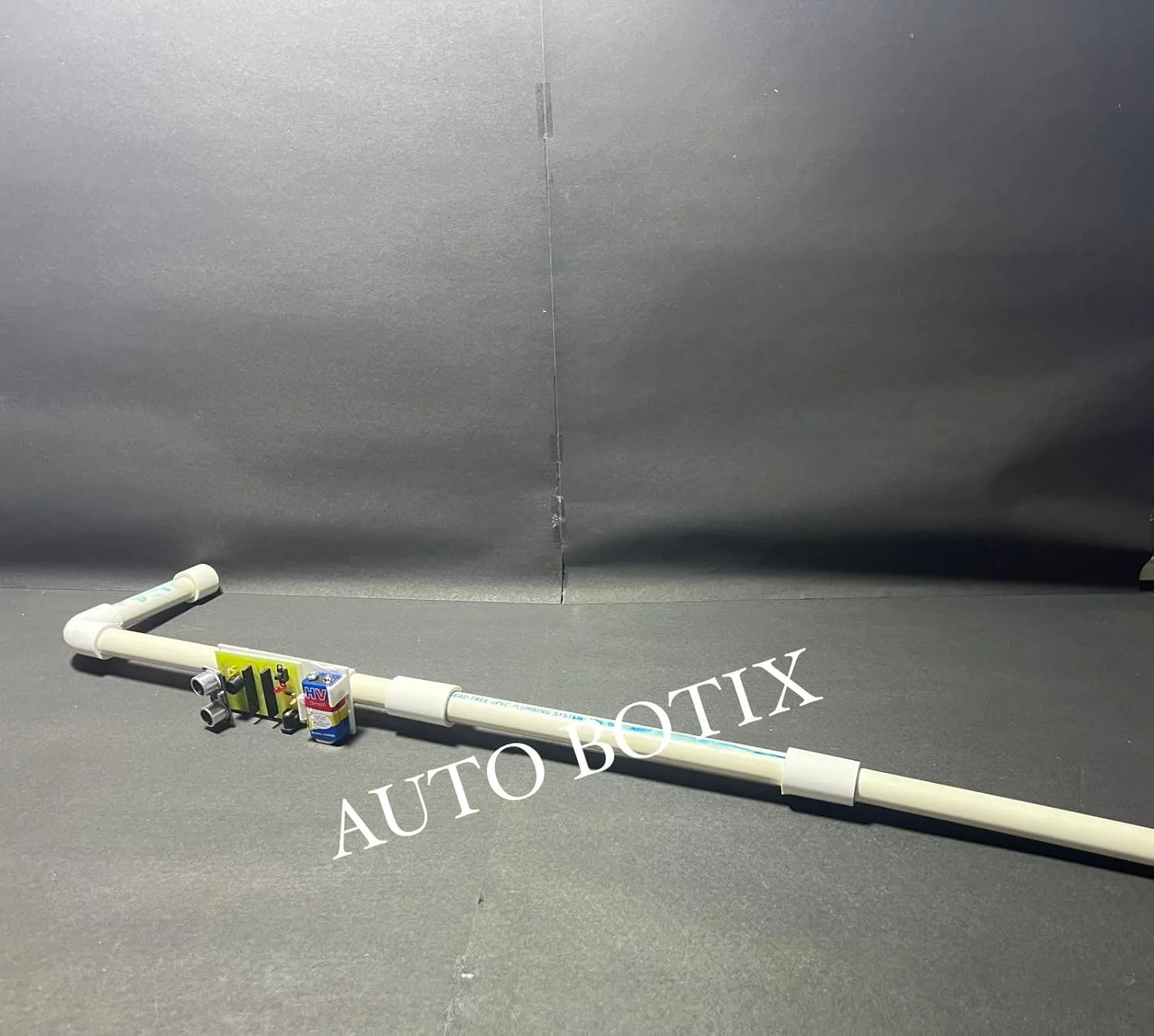
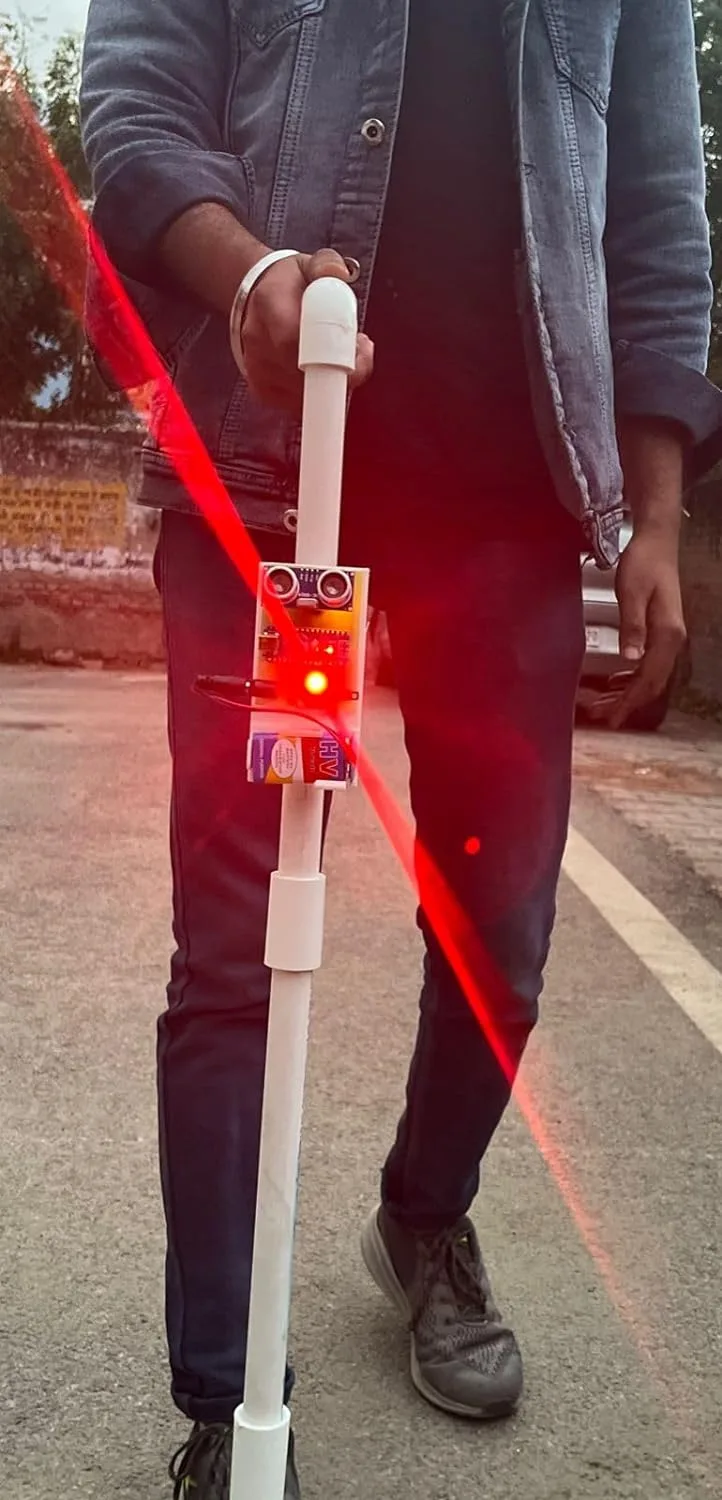
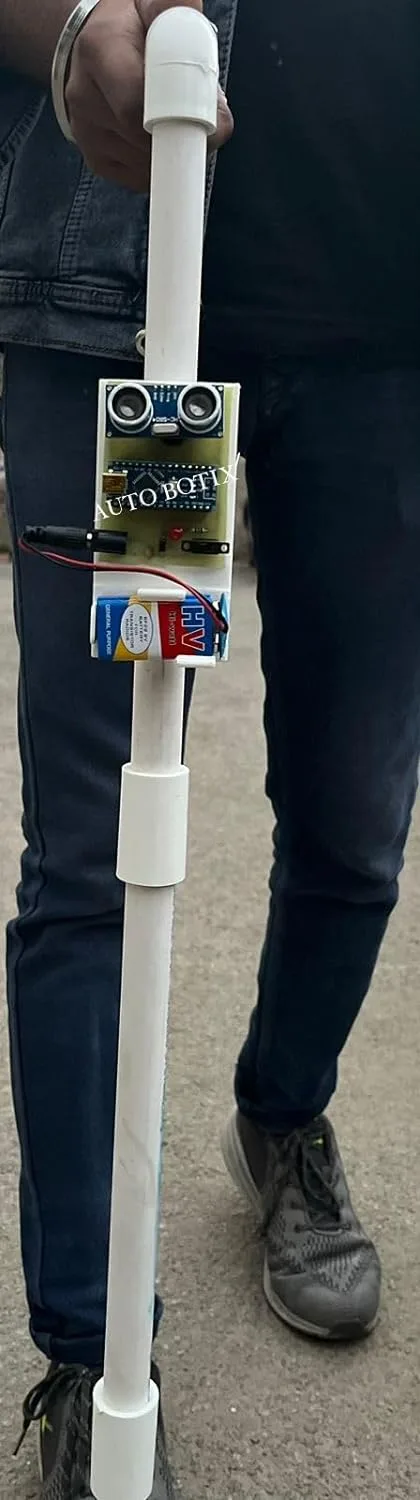
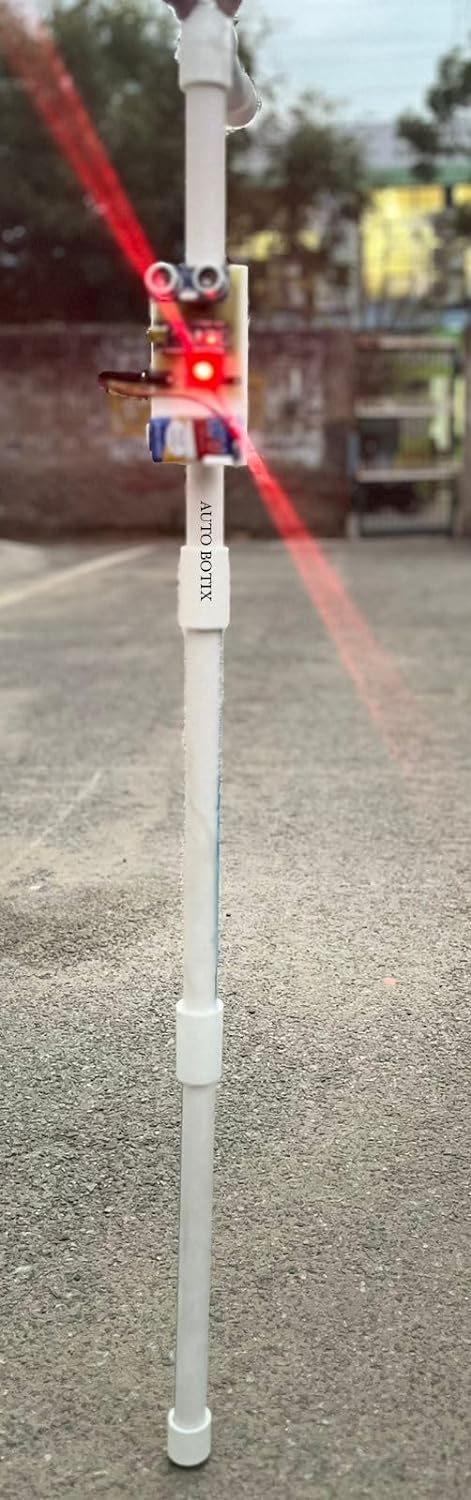
This auto botix third eye stick provides assistance to blind and visually impaired people. It features a range of sensors that detect obstacles in the path and alerts the user through vibrations or sounds from the handle. This makes navigation safer for the blind. The stick comes ready to use straight out of the box. It warns of low-hanging obstacles, drop-offs, stairs, and more through a simple interface. The lightweight, non-bulky design makes it comfortable to use for long periods. Its rechargeable battery allows for all-day use on a single charge. The auto botix third eye stick is a helpful mobility aid that makes blind navigation easier and more confident.
| Weight | 1 kg |
|---|---|
| Dimensions | 30 × 18 × 8 cm |
🔧 Key Features:
📱 Bluetooth-controlled via smartphone
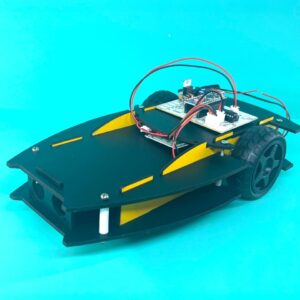
🚗 2-wheel drive system for basic mobility
🧰 DIY kit – easy to assemble and customize
🧠 Powered by microcontroller
🧱 Modular design suitable for beginners
💡 Learn Programming and logic
🔧 Understand Bluetooth communication
⚙️ Explore motor control systems
🛠 Develop hands-on assembly skills
🤖 Introduction to basic robotics
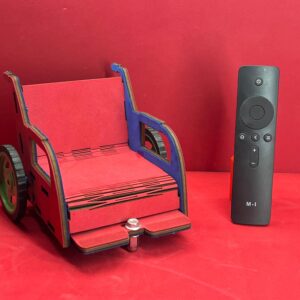
🦽 DIY wheelchair project controlled by an IR remote for enhanced mobility.
🧠 Arduino-based system that decodes signals from any standard IR remote.
🔌 BO DC motors and an L298N motor driver used for controlling wheel movement.
🎮 Directional control (forward, backward, left, right) using remote buttons.
📡 IR sensor receives remote signals and sends them to the Arduino for processing.
⚙️ Arduino processes signals and commands motors to move the wheelchair.
💰 Low-cost and accessible solution for people with physical disabilities.
📚 Learn and apply concepts like IR communication, motor control, and coding.
🎓 Perfect for science fairs, engineering exhibitions, and academic projects.
🚀 Upgradeable design – add obstacle detection, Bluetooth, or voice control.
💡 Encourages creativity and innovation in assistive technology.
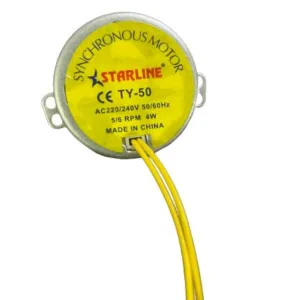
Screw Hole Diameter: 4.5mm
Shaft Size: 7 x 15mm (D*L)
Body Size: 49 x 21mm (D*H)
Rated Power: 4W
Rated Voltage: 220-240V
Manner of working: CCW/CW
Brand: STARLINE
Country of Origin: China
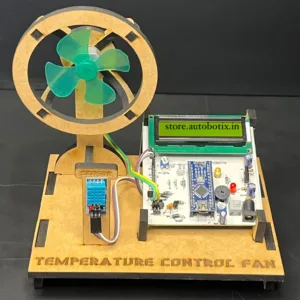
Comprehensive Kit: This DIY project kit includes an Arduino Nano-compatible development board, sensors, motors, a fan, and an MDF structure for easy assembly.
Temperature Control: The system utilizes sensors to monitor and regulate temperature, ensuring optimal cooling performance.
Customizable Design: With its modular components, you can customize and modify the system to suit your specific needs.
Educational Experience: Ideal for hobbyists and enthusiasts, this kit offers a hands-on learning opportunity to explore temperature control systems.
Convenient Power Source: The kit comes equipped with an alkaline battery, providing a portable and reliable power supply.